Frames, data and knowledge for collective activism
Talk for Bristol Interaction Group
18 November 2026
Slides & refs: sjjg.uk/big
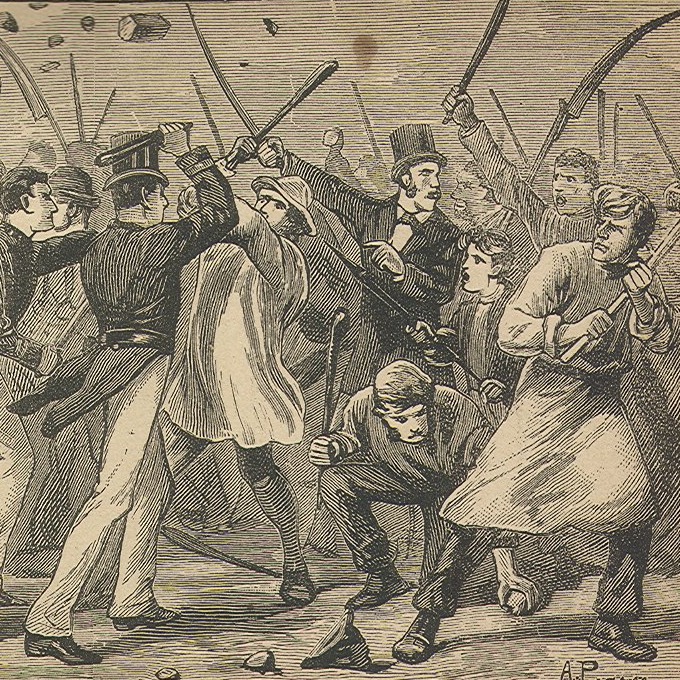
Making evidence
“Accelerationist” technologies are changing how organisations manufacture* evidence
Machines are ‘witnesses’ permitted to manufacture evidence
* “Manufacture” is not a value judgement.
How are you feeling today?
What might this look like?
Where I work, you can opt into a daily media digest
You can imagine an agent producing this — sniffing around the internet, choosing what’s important based on some system prompt and sending this out to the staff (what’s left of it)

What about the folks who want to challenge organisations’ evidence (and their actions based on it)?
Imagine… just imagine
The University of Bristol has a new workload model
It’s called the Model for Academic Delivery*
You and your colleagues are disgruntled with this and decide to band together to do something about it. Congrats, you’re activists
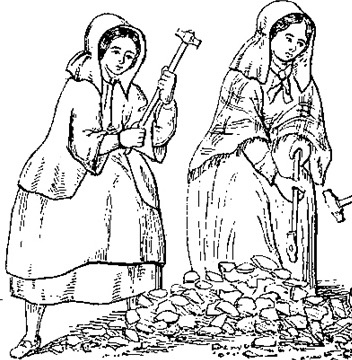
* This is a work of fiction. Any resemblance to actual persons, living or dead, or actual events is purely coincidental.
You’re a bunch of academics,
so you form a task and finish group and hold a meeting…
“Who are we trying to persuade? Management won’t listen!”
These kinds of discussions among activists are called “frame disputes” .
This is an example of “frame resonance”, where activists debate how to present themselves and their counternarratives to different audiences.

The other two components of frame disputes
According to well-cited paper…
Diagnostic
Aspects of the debate that relate to what the underlying problem is that needs to be addressed
Prognostic
Aspects of the debate that relate to what the state of the world ought to be if the activists had their way — and what needs to happen next
“The problem is that management have no idea how our work is produced!”
These kinds of discussions among activists are called “frame disputes” .
This is an example of diagnostic deliberation in a frame dispute, the way in which activists explore and seek to define what the underlying problems are

The other two components of frame disputes
According to well-cited paper…
Resonance
Activists debate how to present themselves and their counternarratives to different audiences
Prognostic
Aspects of the debate that relate to what the state of the world ought to be if the activists had their way — and what needs to happen next
“We need a workplace where staff set workload tariffs, if we don’t, this place is finished!”
These kinds of discussions among activists are called “frame disputes” .
This is an example of a prognostic frame dispute: folks debate what the state of the world ought to be if they had their way — and what needs to happen next.

The other two components of frame disputes
According to well-cited paper…
Resonance
Activists debate how to present themselves and their counternarratives to different audiences
Diagnostic
Aspects of the debate that relate to what the underlying problem is that needs to be addressed
Frame disputes
You came to the question of how to proceed from different perspectives. (And that’s before we get to the substance of the positions.)
Groups of activists have heterogeneity of structure and purpose; they often don’t have the kinds of binding hierarchies that allow organisations to certify and provide provenance.
Frame disputes
We know a fair bit about activists’ infrastructural use and repurposing in enacting activism.
We don’t know about the pragmatics of these frame disputes (including the role digital infrastructures play in constraining these disputes and influencing how they unfold)

Ways of knowing workload
“We need a workplace where staff set workload tariffs, if we don’t, this place is finished!”
This accepts the form of knowledge about workloads as settled. The campaign is then really about the accuracy of the data underpinning it.
Activist epistemologies
Activism is often agonistic in its nature
There’s a risk of organisations’ ways of knowing capturing activists’ imagination for counternarratives
For example, datafication is an effect of accelerationist technologies, and a risk to activists
Reject it?
interviewees noted that “engaging with a data rights framework entails accepting particular assumptions about the future of work and the role of technology within it.”
Refusal may be a necessary approach , focusing on aspects of activism outside the target organisations’ epistemic frame
But some of these data-based approaches have been quite successful… (see, eg, )
How would you contest the workload model?
How would you contest the workload model?
Contest
Refute
What to do?
How to recognise epistemic capture, and ensure epistemic plurality?
How to manage external agonism alongside internal agonism?
How to build concurrent counternarratives for different audiences?
How to manage privacy in different ways of knowing?
How to manage structural heterogeneity within collectives?

Privacy
Individual data rights can obscure the collective nature of data bargaining
There are risks to data pooling, but there are ways to ameliorate them
But how do we look at privacy across epistemologies and ontologies? A video about how consumers have been affected by dodgy insulation can’t follow the same privacy model as for spreadsheets returned by subject access requests. How could all this be negotiated?
Epistemic capture
How could activist collectives be facilitated to knowingly accept epistemic capture, or to strategically resist it?
Within a given campaign, both approaches may be required to serve different audiences at different moments.
How to work on them simultaneously? Boundary objects from design ? Standpoint logic from KR ? Reapprehension from STS ?
Dunno! But it seems important to work out how intentional technology design could support it.

What now?
Tech is changing how organisations produce evidence and act on it
Activist collectives have a critical democratic role that’s threatened by these technologies
What could we learn from building tech with these groups, tech that supported heterogeneous hierarchies, goals, epistemologies?
What would that tech look like? (I don’t know yet!)
Diolch yn fawr
Oes cwestiynau gyda chi?
Thank you very much
Do you have any questions?
Slides & refs: sjjg.uk/big

References
References (continued)
Image sources
- Title slide: Alfred Pearse, “Chartists’ Riots”, engraving in Cornelius Brown, True Stories of the Reign of Queen Victoria (1886). Public domain, via Wikimedia Commons. Cropped.
- Scenario: Bal maidens spalling ore, engraving from James Henderson’s paper in Minutes of Proceedings of the Institution of Civil Engineers (1858). Public domain, via Wikipedia. Cropped.
- Frame resonance: photograph by T on Unsplash. Cropped.
- Prognostic frame dispute: photograph by Kate Bezzubets on Unsplash. Cropped.
- Activist epistemologies: photograph by chris robert on Unsplash. Cropped.
- Ways of knowing workload: photograph by Patrick Federi on Unsplash. Cropped.
- What to do?: photograph by Spruce Refillable Cleaning on Unsplash. Cropped.